




The concept of air dominance has been a cornerstone of Western military strategy for decades. The idea was simple: control the enemy's skies to allow one's own ground, sea, and air forces to operate with absolute freedom and security. This dominance was vividly demonstrated in conflicts like the Gulf War, where overwhelming air power neutralized enemy defenses, paving the way for a swift victory with few losses. The absence of significant aerial threats allowed ground soldiers to focus on their objectives without fear of attack from above. It was a way of waging war that shaped an entire generation of military personnel.
Today, this concept is being challenged by new realities emerging on the battlefields. Although advanced fighter jets and stealth bombers are still essential, they are no longer sufficient to ensure troop safety. The threat no longer comes only from high skies but from a new level of combat that is redefining the rules: the aerial littoral.

The "Aerial Littoral": A New Battlefield
The aerial littoral is the layer of low-altitude airspace, below the range of most traditional air defense systems and out of reach of the most powerful fighters. It is here that small and medium-sized drones operate, which have become the backbone of modern combat. The conflict in Ukraine has unequivocally demonstrated that an enemy force can be completely defeated in a conventional air war but maintain lethal pressure on ground forces through the massive use of drones.
In Ukraine, drones of all types are employed in mobile "swarms," replicating at a lower level the complex operations that were once the preserve of the most advanced military air forces. These drone units conduct intelligence, surveillance, and reconnaissance (ISR), bombing, and attack missions, creating an extremely dangerous and paralyzing low-altitude environment for troops. The terror a soldier feels when under attack from a drone is different from that caused by artillery. While bombs or shells follow predictable trajectories, drones move erratically, pursuing the target, creating a sensation of being "hunted." This constant, personal, and psychologically debilitating threat undermines troop confidence more deeply and lastingly.
Reconceptualizing Air Dominance
In light of these new dynamics, the traditional definitions of air dominance — denial, superiority, and supremacy — need to be updated. It is no longer enough to destroy the enemy's air force. If the ultimate goal of air power is to allow ground forces to operate safely and win, then control of the aerial littoral is a non-negotiable requirement.
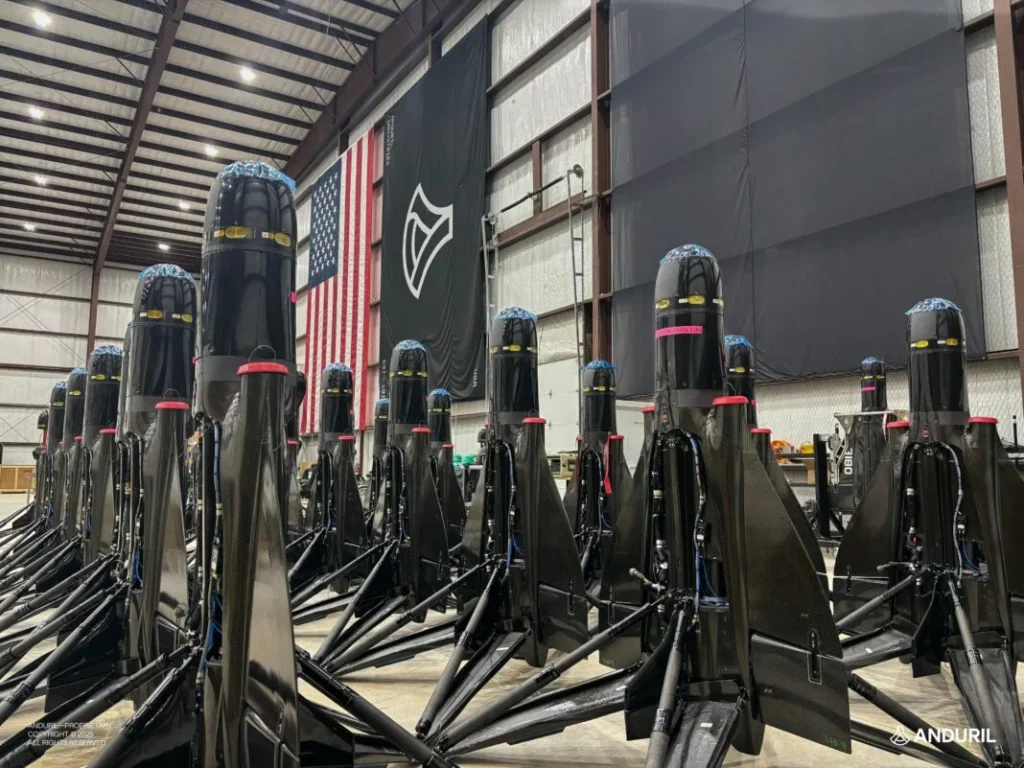
This means that military strategy must evolve. Traditional weapon systems must be complemented by a dominant force in the aerial littoral, based on the mass use of unmanned platforms. Victory in a future war will not be defined solely by the technological superiority of our most expensive aircraft, but by our ability to confront and defeat a widespread, low-cost, and highly lethal threat operating at ground level.
Control of the skies is no longer a matter of absolutes. The next war will require a hybrid approach, combining the power of conventional air forces with the flexibility and adaptability of unmanned platforms. Only in this way can air dominance be ensured and, more importantly, the lives of our soldiers protected.



Comments
No comments yet. Be the first!